
Roofing
Choosing the Right Asphalt Shingle Colors for Your Roof
12 min read · A&J Professional Services
Choosing the right asphalt shingle colors for your roof can transform your home's aesthetic and boost its value. Discover how to select the perfect shades!
The Importance of Roof Color in Home Aesthetics
The roof is one of the most prominent features of any home, and its color can significantly influence the overall aesthetic appeal. When selecting a color for your asphalt shingles, it's essential to consider how it will blend with other elements of your home's exterior, such as the siding, trim, and landscape. The right choice can create a harmonious look that ties everything together, while the wrong one may result in a disjointed appearance. A well-chosen roof color can enhance curb appeal, making your home more attractive to potential buyers.
Moreover, the color of your roof can affect the perceived size and shape of your home. Lighter colors can make a house appear larger and more inviting, while darker shades can give it a more substantial, grounded look. This is particularly important for homes situated on smaller lots or those with unique architectural styles. The way colors interact with light and shadow can also add depth and dimension to your home's exterior, creating a dynamic and visually interesting appearance that changes throughout the day.
In addition to aesthetics, the color of your roof can also reflect your personal style and taste. Whether you prefer a classic, timeless look or something more modern and bold, there are plenty of asphalt shingle color options to suit your preferences. By taking the time to carefully consider your choices, you can ensure that your roof not only protects your home but also enhances its beauty and character.
Understanding Asphalt Shingle Color Options
Asphalt shingles come in a wide variety of colors, ranging from traditional shades like black, gray, and brown to more contemporary hues such as blue, green, and red. This extensive palette allows homeowners to find the perfect color to complement their home's exterior and personal style. It's important to remember that the color you choose will have a lasting impact, as roofs typically last for several decades.
One of the key advantages of asphalt shingles is their versatility. They can be manufactured to mimic the appearance of other roofing materials, such as wood shakes or slate tiles, while offering the durability and affordability of asphalt. This means that you can achieve the look of a high-end roof without the associated cost and maintenance. Additionally, many manufacturers offer shingles with color blends, which incorporate multiple shades to create a more natural, textured appearance.
When selecting a color for your asphalt shingles, it's helpful to visit a showroom or request samples to see how the colors look in person. Viewing the shingles in different lighting conditions and against your home's exterior can give you a better sense of how the final result will appear. Remember that the color of your roof will look different depending on the time of day, weather, and surrounding environment, so it's essential to consider all these factors before making your decision.
Factors to Consider When Choosing Roof Colors
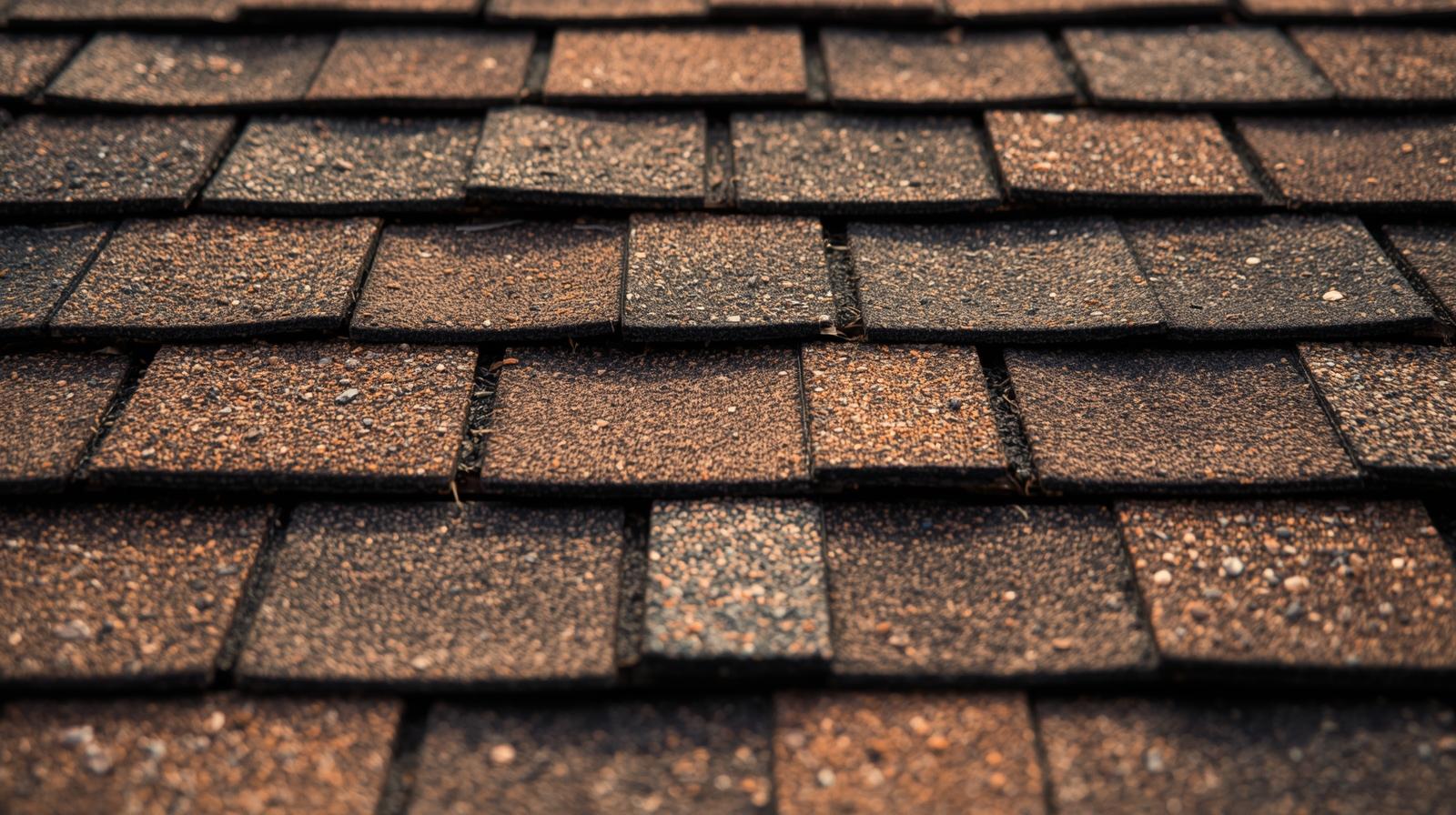
Several factors should be taken into account when choosing the color of your asphalt shingles. One of the most important considerations is the color of your home's exterior. Your roof should complement the siding, trim, and other elements to create a cohesive look. For example, a dark gray or black roof can enhance the elegance of a white or light-colored home, while a brown or tan roof may be better suited for homes with earthy tones.
Another factor to consider is the architectural style of your home. Traditional styles, such as Colonial or Victorian, often look best with classic roof colors like slate gray or deep red. On the other hand, more modern designs may benefit from bold, unconventional colors that make a statement. It's also important to think about the overall design theme of your neighborhood. While you want your home to stand out, it should also blend harmoniously with the surrounding properties.
The environment in which your home is located can also influence your choice of roof color. Homes in wooded areas may benefit from earthy tones that blend with the natural surroundings, while those in coastal regions might look best with lighter, sand-colored shingles. Additionally, consider the impact of seasonal changes on the appearance of your roof. The color you choose should look appealing year-round, regardless of the weather or foliage.
The Impact of Roof Color on Energy Efficiency
The color of your roof can have a significant impact on your home's energy efficiency. Darker colors tend to absorb more heat from the sun, which can lead to higher cooling costs during the summer months. On the other hand, lighter colors reflect more sunlight, helping to keep your home cooler and reducing the need for air conditioning. This is an important consideration for homeowners living in warmer climates.
In addition to the color of your roof, the materials used in the shingles can also affect energy efficiency. Some manufacturers offer "cool roofing" options that include reflective coatings or special granules designed to improve solar reflectance. These features can help to reduce heat buildup and lower your home's overall energy consumption. When selecting your roof color, it's worth exploring these options to see if they align with your energy-saving goals.
It's also important to consider the long-term benefits of an energy-efficient roof. In addition to reducing your monthly utility bills, a cooler roof can extend the lifespan of your shingles by minimizing heat-related damage. This means that you may be able to go longer between roof replacements, saving you money and reducing the environmental impact of your home. By choosing a roof color that balances aesthetics with energy efficiency, you can enjoy a comfortable and cost-effective living space.
Popular Asphalt Shingle Color Trends
Asphalt shingle color trends evolve over time, influenced by changes in architectural styles, homeowner preferences, and advancements in roofing technology. Currently, some of the most popular color choices include neutral tones like gray, beige, and taupe. These versatile shades can complement a wide range of home styles and are often chosen for their timeless appeal. They offer a clean, sophisticated look that can enhance the overall appearance of your home.
Another trend gaining popularity is the use of bold, saturated colors such as deep blues, rich greens, and even reds. These vibrant hues can add a unique touch to your home's exterior, making it stand out in the neighborhood. They are particularly well-suited for modern or eclectic home designs, where a striking roof color can serve as a focal point. When opting for a bold color, it's important to ensure that the rest of your home's exterior elements are relatively subdued to avoid a clashing appearance.
Blended colors are also a popular choice among homeowners. These shingles incorporate multiple shades within each shingle, creating a more textured and natural look. Blended colors can mimic the appearance of traditional roofing materials like wood or slate, adding depth and character to your roof. They are an excellent option for those who want a more nuanced and visually interesting roof without committing to a single color.
.jpg)
How to Match Roof Colors with Home Styles
Matching your roof color with your home's architectural style is crucial for creating a cohesive and visually appealing exterior. For traditional home styles, such as Colonial, Victorian, or Cape Cod, classic colors like slate gray, deep red, and dark brown are often the best choices. These colors evoke a sense of history and permanence, enhancing the timeless elegance of these architectural styles. Additionally, traditional homes often feature intricate details and trim work, which can be beautifully highlighted by a well-chosen roof color.
For more modern home designs, you have the freedom to experiment with bolder and more unconventional colors. Contemporary styles often incorporate clean lines, minimalist design elements, and a mix of materials. A bold roof color, such as deep blue or forest green, can serve as a striking contrast to the neutral tones commonly used in modern architecture. It's essential to balance the bold roof color with the rest of your home's exterior to maintain a harmonious look.
Craftsman and bungalow-style homes, known for their natural materials and earthy color palettes, are best complemented by roof colors that blend with their surroundings. Shades like brown, tan, and moss green can enhance the organic feel of these homes, creating a seamless transition between the built environment and the natural landscape. When selecting a roof color for a Craftsman or bungalow home, consider the colors of the surrounding trees, rocks, and other natural elements to achieve a harmonious look.
Regional Climate Considerations for Roof Color
The climate in your region should play a significant role in your decision-making process when choosing a roof color. In areas with hot, sunny climates, lighter roof colors are often the best choice due to their ability to reflect more sunlight and reduce heat absorption. This can help keep your home cooler during the summer months, reducing the need for air conditioning and lowering your energy bills. Light-colored roofs are particularly beneficial in regions with long, hot summers and minimal cloud cover.
Conversely, in colder climates, darker roof colors can be advantageous. Dark shingles absorb more heat from the sun, which can help to melt snow and ice more quickly during the winter. This can reduce the risk of ice dams and other winter-related roofing issues, as well as provide some additional warmth to your home. However, it's important to balance the benefits of a darker roof with the potential for increased cooling costs during the summer months.
In regions with a wide range of seasonal temperatures, a medium-toned roof color may offer the best balance between energy efficiency and aesthetic appeal. Neutral shades like gray or taupe can provide some heat absorption during the winter while still reflecting a portion of the sun's rays in the summer. Additionally, these versatile colors can complement a variety of home styles and exterior color schemes, making them a practical choice for many homeowners.
Tips for Visualizing Roof Color Choices
Visualizing your roof color choices before making a final decision can help ensure that you are satisfied with the result. One effective way to do this is by using online visualization tools provided by many roofing manufacturers. These tools allow you to upload a photo of your home and experiment with different shingle colors and styles. This can give you a better sense of how various options will look in the context of your entire exterior.
Another helpful tip is to visit homes in your area with similar architectural styles and roof colors you are considering. Seeing the colors in person and in different lighting conditions can provide valuable insight into how they will look on your home. Take note of how the colors interact with the siding, trim, and landscape, as well as how they change throughout the day. This real-world observation can help you make a more informed decision.
Requesting physical samples from your roofing contractor or manufacturer is also a good idea. Place the samples on your roof and observe them at different times of the day and in various weather conditions. This will help you see how the colors look in natural light and how they complement the other elements of your home's exterior. By taking the time to visualize your options thoroughly, you can feel confident that you are making the right choice for your home.
Maintenance and Longevity of Different Roof Colors
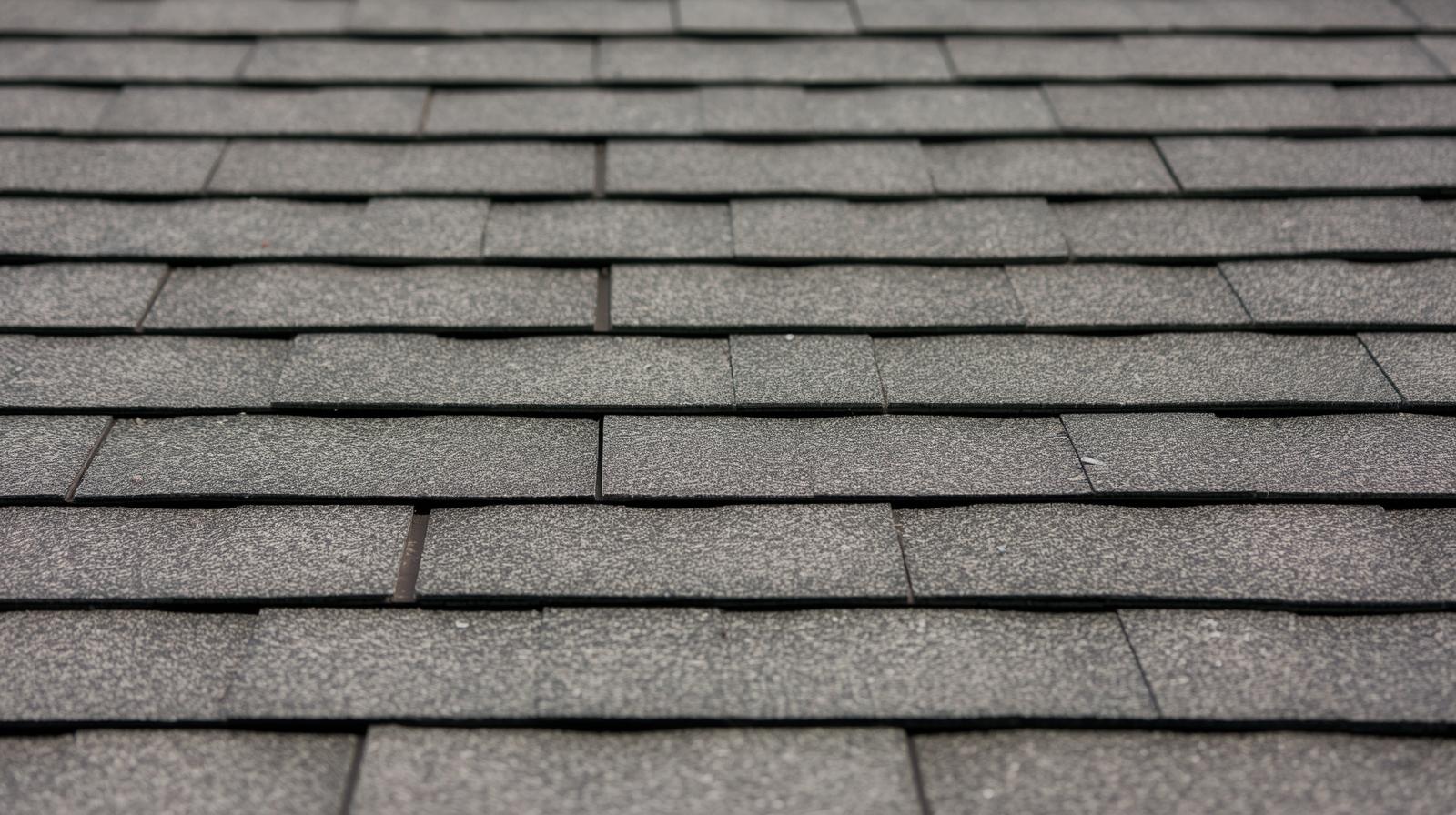
The color of your asphalt shingles can influence the maintenance requirements and longevity of your roof. Darker-colored shingles tend to show dirt, algae, and other debris more readily than lighter-colored shingles. This means that they may require more frequent cleaning to maintain their appearance. However, darker shingles can also help to conceal minor imperfections and wear over time, which can be beneficial for maintaining a consistent look.
Lighter-colored shingles, on the other hand, can help to reflect more sunlight and reduce heat buildup, which can prolong the lifespan of the shingles. They are less likely to show dirt and debris, making them easier to maintain. However, lighter shingles may be more prone to visible staining from algae growth, especially in humid or shaded areas. Regular cleaning and the use of algae-resistant shingles can help mitigate this issue.
Regardless of the color you choose, proper maintenance is essential for maximizing the lifespan of your roof. This includes regular inspections, cleaning, and addressing any issues promptly. By selecting a roof color that aligns with your maintenance preferences and taking care of your roof, you can ensure that it remains in good condition for years to come.
Conclusion: Making the Right Choice for Your Home
Choosing the right asphalt shingle color for your roof is a decision that can have a lasting impact on the appearance, energy efficiency, and value of your home. By considering factors such as your home's exterior color, architectural style, regional climate, and personal preferences, you can find a roof color that enhances your home's beauty and functionality. Taking advantage of visualization tools, physical samples, and real-world observations can help you make an informed decision that you will be happy with for years to come.
In addition to aesthetics, it's important to consider the practical aspects of your roof color choice, such as energy efficiency and maintenance requirements. Lighter colors can help keep your home cooler and reduce energy costs, while darker colors can provide additional warmth in colder climates. Regardless of the color you choose, proper maintenance is essential for ensuring the longevity and performance of your roof.
Ultimately, the right roof color will complement your home's exterior, reflect your personal style, and contribute to a comfortable and energy-efficient living space. By carefully considering all these factors and taking the time to explore your options, you can make a decision that will enhance your home's curb appeal and value for many years to come.
Shingle Color Installation Across Central New Jersey
A&J Professional Services is a GAF Master Elite certified roofing contractor installing asphalt shingle roofs across Central New Jersey, including Edison, Plainfield, and Westfield. If you want to see how a shingle color will actually look on a home like yours before you commit, see our roofing services or call (908) 432-7081 to talk through options for your home.
Roofing in these towns
See the work A&J has done nearby, and what a roof costs on your street.