
Roofing
Roof Damage from Wind: Signs, Causes & What to Do Next
10 min read · A&J Professional Services
Wind can wreak havoc on your roof, leading to damage that often goes unnoticed. Learn how to spot signs of wind damage and what steps to take next.

Understanding Wind Damage to Roofs
Wind damage to roofs is a common yet often overlooked issue that can lead to significant problems if not promptly addressed. Roofs are designed to withstand a variety of weather conditions, but high winds can create vulnerabilities that compromise their structural integrity. Understanding how wind affects your roof is the first step in protecting your home.
During a windstorm, the force exerted by the wind can lift and displace roofing materials. This process, known as "uplift," occurs when wind flows over the roof surface, creating a low-pressure zone that pulls materials away from the structure. Additionally, gusts of wind can blow debris onto your roof, causing punctures or other forms of damage. These seemingly minor issues can escalate into more severe problems if left unattended.
Furthermore, the direction and intensity of the wind play a crucial role in determining the extent of the damage. Winds that blow directly into the face of your roof or at an angle can be particularly destructive. As the wind speed increases, so does the likelihood of damage, making it essential to inspect your roof after any significant wind event.
Common Signs of Wind Damage
Identifying wind damage early can save you time, money, and stress. A visual inspection of your roof can reveal several telltale signs that indicate wind-related issues. One of the most obvious signs is missing or displaced shingles. High winds can easily lift shingles, leaving your roof exposed to the elements. If you notice patches of missing shingles, it's a clear indication that wind damage has occurred.
Another common sign is curled or cracked shingles. When shingles are subjected to intense wind, they can begin to curl at the edges or even crack. This not only affects the aesthetic appeal of your roof but also its functionality. Curled or cracked shingles can allow water to seep underneath, leading to leaks and water damage inside your home.
In addition to shingle damage, check for granule loss on asphalt shingles. Granules protect shingles from the sun's harmful UV rays and add an extra layer of durability. If you find granules in your gutters or downspouts, it's a sign that your shingles have experienced wear and tear due to wind. Other indicators include damaged flashing, loose or missing roof tiles, and dents or punctures from flying debris.
Types of Roofs Most Affected by Wind
Not all roofs are created equal when it comes to withstanding wind damage. Some roofing materials and designs are more susceptible to wind-related issues than others. Understanding which types of roofs are most affected can help you make informed decisions about your roofing needs.
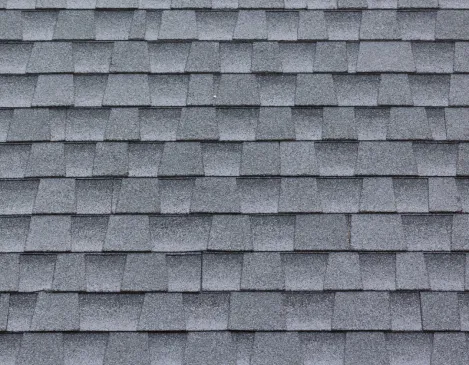
Asphalt shingles are among the most common roofing materials, but they are also prone to wind damage. While modern asphalt shingles are designed to be more durable, they can still be lifted or torn off by strong winds. Older or poorly installed shingles are particularly vulnerable, making regular inspections and maintenance crucial.
Flat roofs, often found on commercial buildings, are another type that can suffer from wind damage. The lack of slope on a flat roof means that wind can easily create uplift forces, causing materials to loosen or detach. Additionally, debris can accumulate on flat roofs, leading to punctures and other forms of damage.
Metal roofs, while generally more durable, are not immune to wind damage. High winds can loosen fasteners and seams, leading to leaks and structural issues. However, metal roofs are less likely to suffer from shingle-related problems and can often withstand higher wind speeds than other materials. Understanding the vulnerabilities of your specific roof type can help you take proactive measures to protect it.
Causes of Wind Damage: How It Happens
Wind damage to roofs occurs through a combination of factors that work together to compromise the integrity of your roofing system. One of the primary causes is the uplift effect, where wind flows over the roof and creates a suction force that lifts materials away from the structure. This is particularly problematic for shingles and tiles, which can be easily dislodged.
Another significant factor is the debris carried by the wind. Branches, leaves, and other objects can be blown onto your roof, causing punctures, dents, and other forms of damage. Even small debris can create openings that allow water to penetrate, leading to leaks and water damage inside your home. The accumulation of debris can also add weight to your roof, exacerbating existing issues and creating new ones.
The design and construction of your roof also play a crucial role in how susceptible it is to wind damage. Roofs with steep slopes and overhangs are more likely to experience uplift forces, while roofs with inadequate fastening or poor-quality materials are more prone to damage. Additionally, older roofs or those that have not been properly maintained are at a higher risk of wind-related issues. Understanding these causes can help you take steps to minimize the impact of wind on your roof.
Assessing the Extent of Roof Damage
Once you suspect that your roof has been damaged by wind, it's essential to assess the extent of the damage accurately. A thorough inspection can help you determine the severity of the issue and decide on the appropriate course of action. Start by conducting a visual inspection from the ground, looking for obvious signs of damage such as missing or displaced shingles, cracked tiles, and visible debris.
For a more detailed assessment, you may need to climb onto your roof. However, safety should always be your top priority. If you are not comfortable or experienced with roof inspections, it's best to hire a professional. When inspecting the roof, pay close attention to areas around chimneys, vents, and skylights, as these are common points of vulnerability. Check for loose or damaged flashing, as well as any signs of water infiltration.
In addition to the roof surface, inspect your attic for signs of water damage, such as stains, mold, or damp insulation. This can indicate that wind has caused openings that allow water to penetrate your home. If you find any signs of damage, document them with photos and notes. This information will be valuable when filing an insurance claim or consulting with a roofing professional.
Immediate Steps to Take After Wind Damage
If you discover that your roof has sustained wind damage, it's crucial to take immediate action to prevent further issues. The first step is to secure the affected area to minimize the risk of additional damage. If shingles or tiles are missing, use a tarp or roofing paper to cover the exposed area temporarily. This will help prevent water from entering your home until permanent repairs can be made.
Next, document the damage thoroughly. Take clear photos and make detailed notes about the extent of the damage and any affected areas. This documentation will be essential when filing an insurance claim. Contact your insurance company as soon as possible to report the damage and start the claims process. They will likely send an adjuster to assess the damage and determine the coverage for repairs.
It's also important to contact a professional roofing contractor to inspect your roof and provide an estimate for repairs. Avoid attempting extensive repairs on your own, as improper fixes can lead to more significant issues down the line. A qualified contractor will have the expertise and equipment needed to restore your roof to its original condition safely and effectively.
DIY Repairs vs. Professional Help
When it comes to repairing wind damage to your roof, you may be tempted to tackle the job yourself. While DIY repairs can be cost-effective for minor issues, they are not always the best option for more extensive damage. It's essential to weigh the pros and cons of DIY repairs versus hiring a professional to ensure the best outcome for your roof.
DIY repairs can be suitable for minor issues such as replacing a few missing shingles or securing loose flashing. These tasks typically require basic tools and materials that you can find at your local hardware store. However, it's crucial to follow proper safety precautions and ensure that your repairs are done correctly. Improper fixes can lead to more significant problems, such as leaks and structural damage.
For more extensive damage, it's best to hire a professional roofing contractor. Professionals have the experience, knowledge, and equipment needed to assess and repair wind damage accurately. They can identify hidden issues that may not be apparent during a visual inspection and ensure that all repairs are done to industry standards. Additionally, hiring a professional can provide you with peace of mind, knowing that your roof is in capable hands.
Preventative Measures to Protect Your Roof
Taking proactive steps to protect your roof from wind damage can save you time, money, and stress in the long run. One of the most effective preventative measures is regular maintenance and inspections. Schedule annual roof inspections with a professional to identify and address any potential issues before they become significant problems. Regular maintenance, such as cleaning gutters and removing debris, can also help prevent damage.
Reinforcing your roof can also provide added protection against wind damage. Consider installing hurricane straps or clips to secure roof trusses and rafters, reducing the risk of uplift. Upgrading to impact-resistant roofing materials, such as metal or high-quality asphalt shingles, can also enhance your roof's durability and resilience.
Another important preventative measure is to trim overhanging branches and trees near your home. This reduces the risk of debris falling onto your roof during a windstorm. Ensure that your roof is properly ventilated to prevent moisture buildup, which can weaken roofing materials and make them more susceptible to wind damage. By taking these preventative measures, you can protect your roof and ensure its longevity.
Insurance Considerations for Wind Damage
Dealing with wind damage to your roof can be stressful, but having the right insurance coverage can make the process more manageable. Homeowners' insurance policies typically cover wind damage, but it's essential to understand the specifics of your coverage. Review your policy to determine what is covered and any exclusions or limitations that may apply.
When filing an insurance claim for wind damage, documentation is key. Provide your insurance company with detailed photos and notes about the damage, as well as any estimates or invoices from professional contractors. Be prepared to work with an insurance adjuster who will assess the damage and determine the appropriate coverage for repairs.
It's also important to understand your deductible and how it applies to wind damage claims. Your deductible is the amount you are responsible for paying out of pocket before your insurance coverage kicks in. In some cases, you may need to pay a higher deductible for wind damage, so be sure to factor this into your financial planning. Having a clear understanding of your insurance coverage can help you navigate the claims process and ensure that your roof is repaired promptly and effectively.
Conclusion: Ensuring the Longevity of Your Roof
Wind damage to your roof can be a significant concern, but with the right knowledge and proactive measures, you can protect your home and ensure the longevity of your roof. Understanding how wind affects your roof, identifying common signs of damage, and knowing what steps to take after a wind event are all crucial components of effective roof maintenance.
Regular inspections and maintenance, combined with preventative measures such as reinforcing your roof and trimming overhanging trees, can significantly reduce the risk of wind damage. When damage does occur, acting quickly to secure the affected area, document the damage, and contact your insurance company can help streamline the repair process.
Whether you choose to tackle minor repairs yourself or hire a professional for more extensive damage, ensuring that your roof is properly maintained and repaired is essential for protecting your home and ensuring its structural integrity. By staying informed and proactive, you can safeguard your roof from wind damage and enjoy peace of mind knowing that your home is well-protected.