
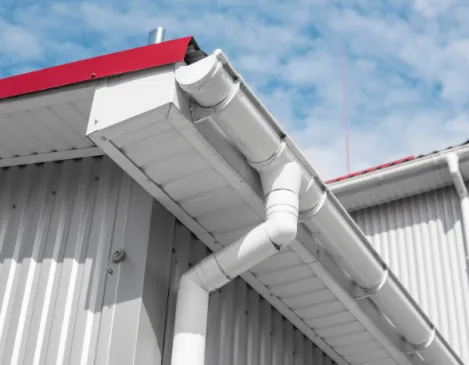
Gutters
Gutters still overflowing after the leaves are cleared?
5 min read
You had the leaves cleared, but the next heavy rain still sent water over the same gutter corner. Before buying a new gutter system, describe exactly where the overflow happens and ask for the drainage path to be checked. A clear-looking gutter from the ground does not tell you everything about how water moves through the gutter and downspout together.
For a homeowner in Central New Jersey, fall is a useful time to notice recurring trouble before colder weather makes outdoor work more difficult. This guide helps you prepare a request for gutter repair or replacement without climbing a ladder to diagnose it yourself. The aim is a clear description and a sensible assessment, rather than choosing a product before anyone has looked at the problem.
What happens at that corner when it rains?
From a sheltered place on the ground, note whether water spills over the front edge, runs behind the gutter, or escapes at a joint. Record whether it happens immediately or only after sustained rain, and whether one downspout appears to discharge water while another does not. You can describe those observations to a contractor without reaching into the gutter or taking anything apart.
Take a short video if you can do so safely, because a dry photograph may not show the direction water takes during rain. Include enough of the wall and roof edge to make the location clear when someone views it later. Do not stand beneath loose material, falling ice, or an area where overhead electrical equipment could make the observation unsafe.
What should a gutter inspection look at?
Ask the contractor to check for remaining obstructions, the condition of joints and attachments, and the route water takes into and out of the downspouts. Explain whether a recent cleaning included the downspouts or only the open gutter runs. That distinction is a question to resolve, not proof that the cleaner did anything wrong or that a replacement is already necessary.
If someone recommends changing the size or layout, ask what they observed that supports that change on your house. A recommendation should connect the proposed work to the location where water is escaping and the drainage problem being addressed. Keep that explanation with the estimate so you can tell the difference between repairing an identified defect and adding optional equipment to an otherwise working system.
When might a repair make more sense than replacement?
An isolated problem and a system with several damaged sections may call for different scopes of work. Ask which parts can remain and which parts the contractor believes need attention before comparing prices. You should be able to identify the gutter runs, joints, or downspouts included in the estimate without guessing from a single line that says gutter work.
If replacement is proposed, ask whether removal, disposal, downspouts, attachments, and any related fascia work are included or priced separately. If a repair is proposed, ask what happens if hidden damage is found after work begins. These questions do not set a price or promise a result; they help you understand what you are authorizing and how changes will be discussed. Ask for any exclusions in writing before work begins so a separate repair does not become a surprise.
Will gutter guards solve a winter ice problem?
Gutter guards and ice-dam prevention address different parts of a roof and drainage system. An ice dam forms when melted snow refreezes near a colder roof edge and can prevent water from draining away. GAF explains that uneven roof temperatures, attic insulation, and ventilation can contribute, so a guard should not be treated as a complete answer to a roof-temperature problem.
If you have had ice buildup with water entering the home, mention that history separately from the fall leaf problem when requesting an inspection. Ask whether the roof edge and attic conditions need review as well as the gutters. Do not climb up to break ice away or assume that an attachment marketed for leaf control guarantees protection against every kind of winter leak.
How do you prepare a clear request for help?
Send the property town, a brief description of the affected side of the home, and photos or video you already have from a safe location. Say whether you want an assessment of recurring overflow, an existing damaged section, or a replacement estimate. If someone has already recommended work, include that recommendation so the next conversation can address the same problem instead of starting from an unrelated description.
A home in South Plainfield or Edison may have easy front access while the problem gutter is over a rear addition or beside a tight side yard. Mention known access limits and whether someone needs to unlock a gate for the visit. Let the contractor confirm the appointment and scope rather than treating an online request as a promise that the crew will arrive at a particular time.
Talk with A&J about gutter repair or replacement
A&J Professional Services, Inc installs and repairs gutters and also handles roofing and siding work. Request a free written estimate through the website and explain where water is escaping, when you last noticed it, and whether the issue continued after leaves were cleared. If there has also been a roof leak, include that fact so both concerns can be considered when arranging the next step.
Keep the eventual estimate and your original observations together so you can review what was addressed after the work is complete. During a later rain, observe the area again from a safe place and report any continuing problem to the contractor. Seasonal maintenance is easier to discuss when you have a clear record of the same location instead of having to reconstruct the history each time.